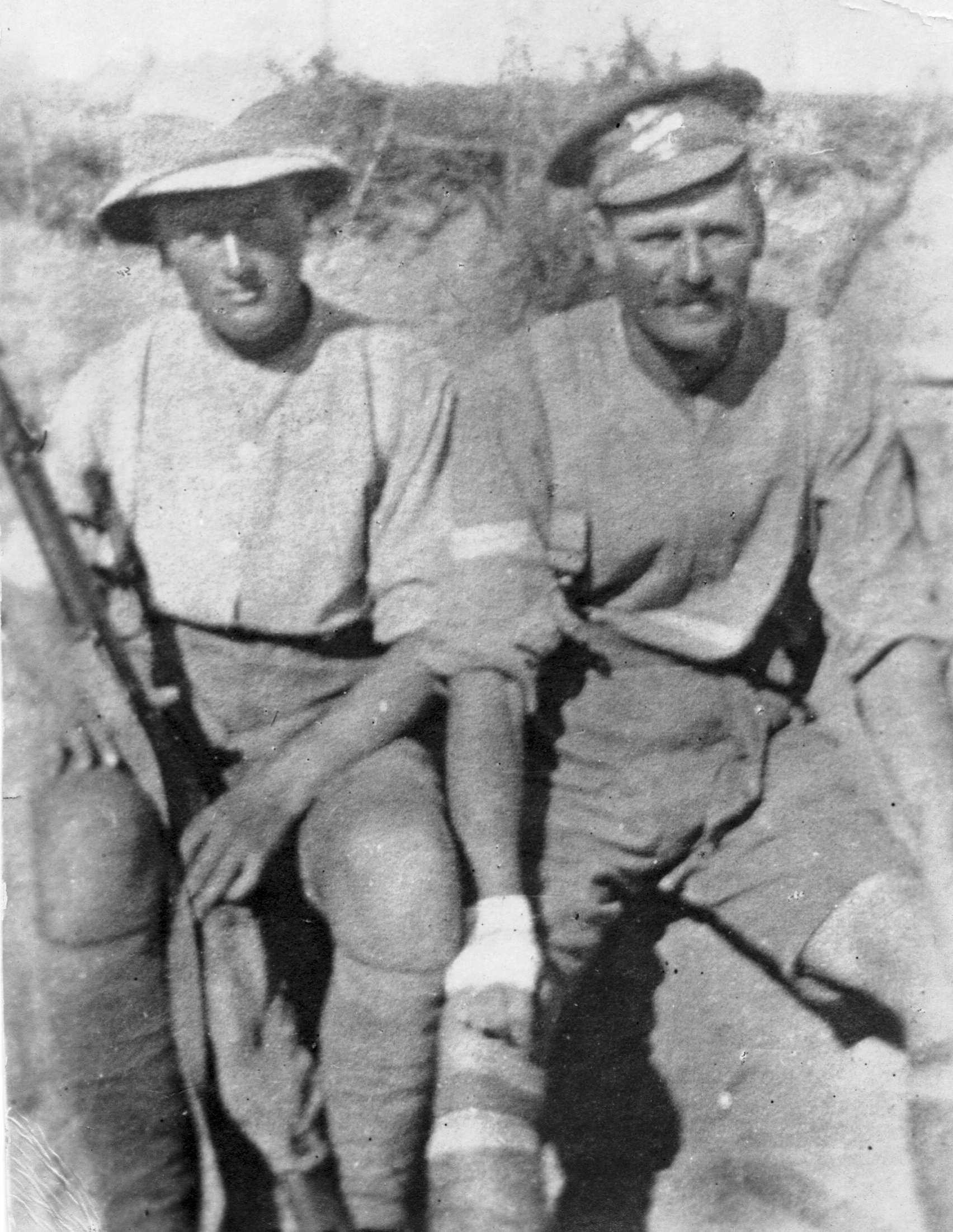
John Alexander Field

Home page

Appears as:

Born:

Parents:

Unit:

No.:

Rank:

Died:

Grave/Memorial: 
Field, John A

31 December 1884, Bramley, Surrey

Edward and Emily (née Durrant)

3/5th and 2/4th Battalions, The Queen's (Royal West Surrey) Regiment

T.4096 / T.206657

Acting Sergeant

21 December 1917, Palestine, age 32

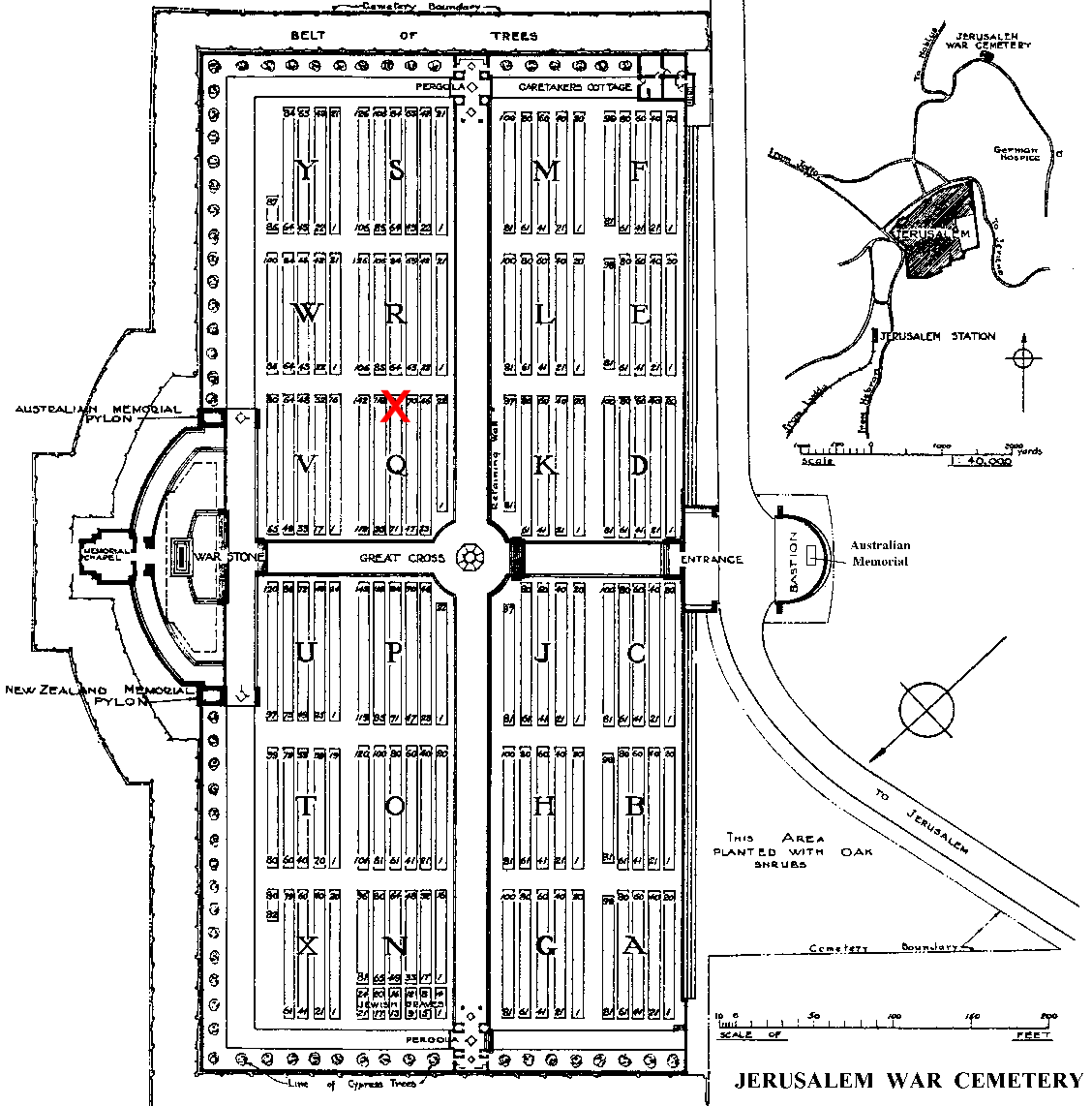
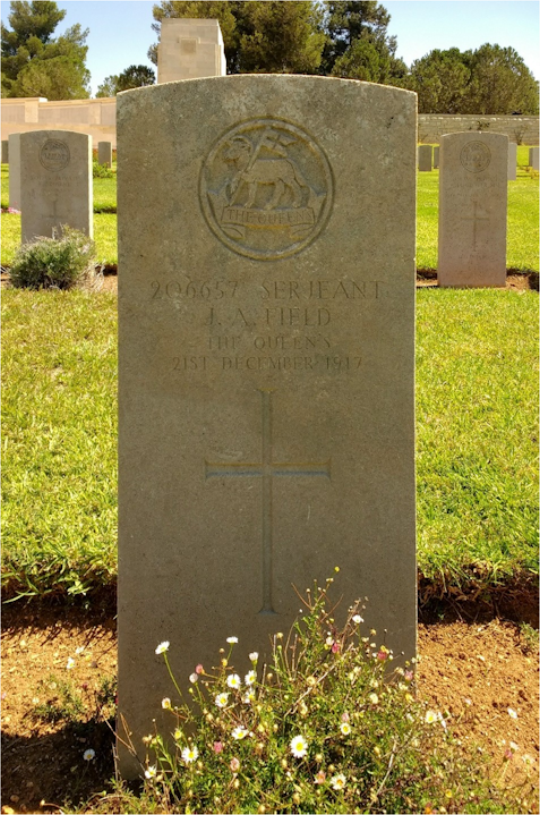
Jerusalem War Cemetery, Jerusalem, Israel: Q. 93
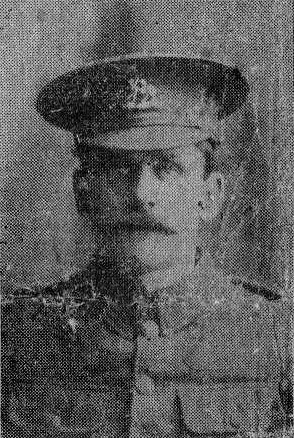
   

John Alexander Field (known as Jack) was born on 31 December 1884, at Bramley, Surrey. He was the eldest of eight (surviving)
children of Edward, an agricultural labourer, and Emily (née Durrant); he had a brother and six sisters.

By 1896, the family had moved to Bisley Green; in 1901 John, aged 16 was a carter on a farm.

In September 1908, John married Monica Debbie Griffin (née Hambridge ), at Kingston Registry Office [Monica’s brother, Harry
George Hambridge, is also commemorated on the St John’s Memorial]. John and Monica had three children; Monica also had two
daughters from her first marriage.

In 1911, John, still living in Kingston, was working as a nursery gardener.

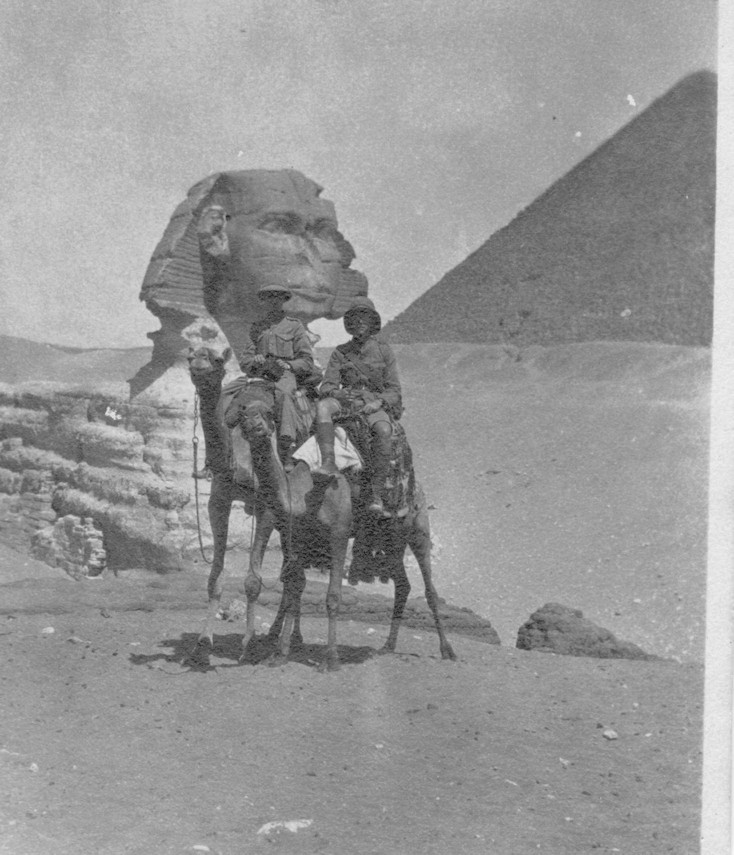
John was probably conscripted into the Army following the January 1916 Military Service Act. He started with the 3/5th
Battalion, The Queen's (Royal West Surrey) Regiment before being transferred to the 2/4th Battalion, with whom he served in
Egypt and Palestine.


At the outbreak of the First World War, Palestine (now Israel) was part of the Turkish Empire and it was not entered by Allied forces until December 1916.

By 21 November 1917, the Egyptian Expeditionary Force had gained a line about five kilometres west of Jerusalem, but the city was deliberately spared
bombardment and direct attack. Very severe fighting followed, lasting until the evening of 8 December; Turkish forces left Jerusalem throughout that night and
in the morning of 9 December, the Mayor came to the Allied lines with the Turkish Governor's letter of surrender. Jerusalem was occupied that day and on
11 December, General Allenby formally entered the city.

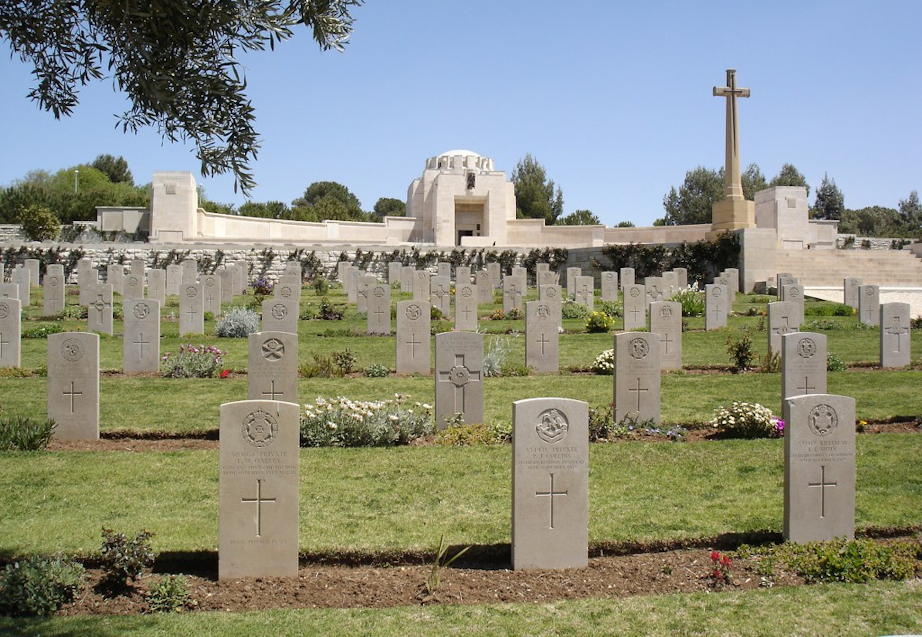
John Alexander Field was killed on 21 December 1917, probably in the battle for Cheshire Ridge. He is buried in grave Q. 93
within the Jerusalem War Cemetery, Israel.

The following is a letter received by his wife:-
Dear Mrs Field – As one of your late husband’s fellow NCO’s I am writing to offer you and your family my deepest sympathy on
your sad bereavement. I was away from the battalion at the time, and when I came back it was a great shock to me that he was
gone. Perhaps I feel his loss as much as anyone here, because ever since poor Corpl Wood got killed Jack and I always used to
pair off; we always shared the same bivouac or dug-out, and as a pal he was one of the best. He was one of the most popular
NCO’s in the battalion, and a more thorough or conscientious one would be hard to find. He was killed outright during an
attack made by the Turks on a position we were holding, and he lies with others of our battalion who were killed, in a little
cemetery on the slope of the Mount of Olives, just outside Jerusalem. His grave is marked with a cross with his name and
regiment on it. Will you please try to understand this short letter as a sincere offer of my deepest sympathy with you in the loss
of one who, I am sure, was a good husband and father and to me one of the best fellows it has been my lot to know. From yours
faithfully Sergt E France
.

John’s brother, Edward James Field, is also commemorated on St John’s War Memorial. They are both also commemorated on
the War Memorial Cross in Woking Town Square and on the Goldsworth Nursery Memorial.


Although Palestine was not entered by Allied forces until December 1916 and the advance to Jerusalem
took a further year, from 1914 to December 1917, about 250 Commonwealth prisoners of war were
buried in the German and Anglo-German cemeteries of the city.

Jerusalem War Cemetery was begun after the occupation of the city, with 270 burials. It was later
enlarged to take graves from the battlefields and smaller cemeteries in the neighbourhood.

There are now 2,515 Commonwealth burials of the First World War in the cemetery, 100 of them
unidentified.